
 EN
 Romana
 Bulgarian









 Am colaborat cu LabelShop si pot spune ca experienta a fost una foarte placuta. Sunt profesionisti, prompti in preluarea comenzilor si onorarea lor. Produsele sunt calitative. Sunt pe lista mea de furnizori la care revin constant. Felicitari si multumesc!
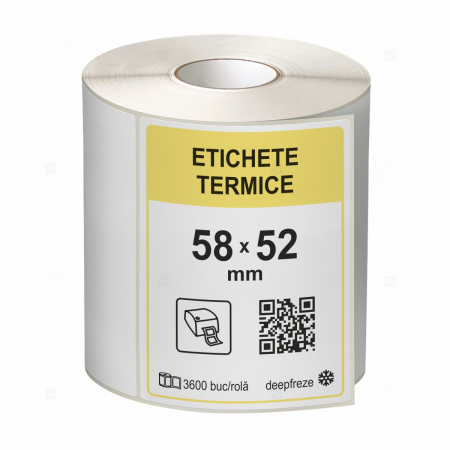
 Thermal labels 58x52 mm, freezer adhesive, direct thermal, 3600 on a roll
Self-adhesive thermal label roll with freezer adhesive, for direct thermal printing with no ribbon. Suitable for chilled and frozen products.
Beneficii:
Found a better price? write to us and we will sort it out
Free delivery: terms
Delivery date: Exact dates available once the order has been processed.
Product Code:
ER14R58X52EH
Do you need help?
0720 770 659
Others also bought
- Description
- Reviews (0)
In food production and cold chain logistics, labels must stay readable and attached until the product is used. Direct thermal labels with freezer adhesive suit trays, bags and boxes kept cold. Printing needs no ribbon, which lowers consumable costs. Thermal paper is best for short to medium shelf-life products such as chilled and frozen food.
Specifications
| Label type | Ecothermal paper |
| Intended for | Direct thermal printing |
| Shape | Rectangular with rounded corners |
| Colour | White |
| Finish | Matt |
| Adhesive type | Freezer |
| Outer diameter | 200 mm |
| Core diameter | 76 mm |
| Label layout | 1 across |
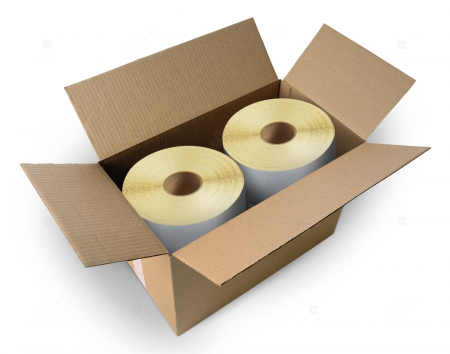
| Labels/roll | 3600 labels/roll |
Simple printing, no additional consumables
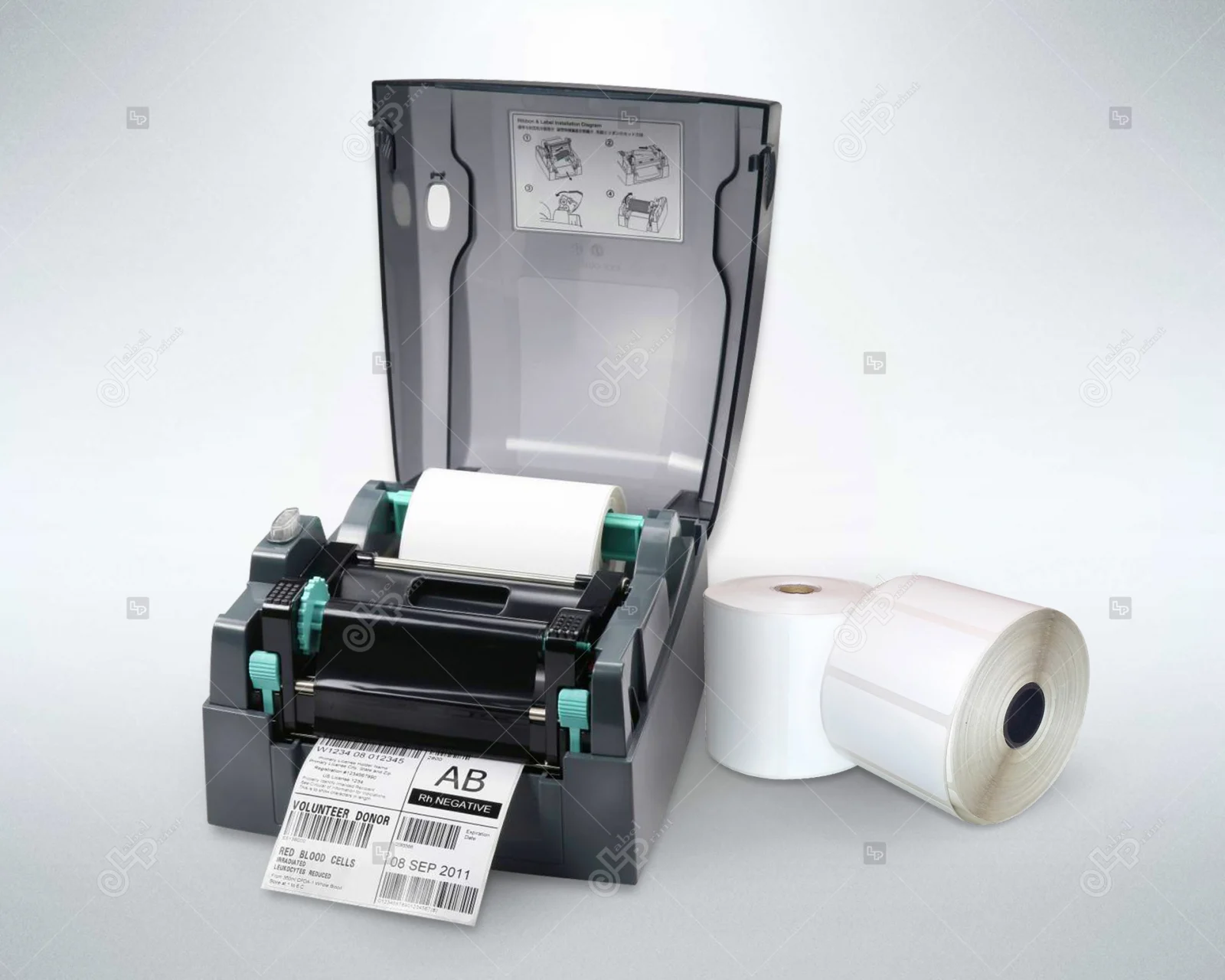
Thermal labels require no ribbon for printing. This reduces consumable costs and simplifies the labelling process. Direct thermal printers print using heat on the specially treated surface of the label. These self-adhesive labels are suitable for expiry dates, barcodes, batch information or internal marking. For high labelling volumes, this method offers speed and simplicity.
Self-adhesive labels with DeepFreeze adhesive
The DeepFreeze adhesive sets these labels apart from versions with standard permanent adhesive. It is intended for applications involving low temperatures, where label adhesion plays an important role. This makes them suitable for labelling products kept at low temperatures. Adhesive performance also depends on the surface, the application temperature and the actual conditions of use. For special applications, testing the label directly on the packaging or product helps verify compatibility before large-scale use.
Practical use across multiple sectors
Thermal labels are used for frozen food, meat, fish or dairy products. They can mark goods in and out of the warehouse, office equipment or company furniture. Logistics and distribution chains benefit from labels that do not fall off during refrigerated transport. Retailers can use them for fast labelling of fresh or frozen products. The thermal material requires protection from direct light, heat and high humidity. The print may fade over time if the label is exposed to these conditions.
Limitations and usage recommendations
Thermal labels are less durable over time than labels printed by thermal transfer. The image may fade after a few months, depending on storage conditions. Rolls should be kept away from light, in a cool, dry place. Prolonged exposure to heat sources or high humidity should be avoided. For applications requiring long-term durability, labels printed with a ribbon should be considered. These offer superior resistance to fading and wear.
Inventory management and identification
The roll format supports fast printing of the information a company needs for its operations. The labels can be used for products for sale, stock, goods in and out of the warehouse or internal marking. They can also support the organisation of company assets. Equipment, furniture or other items can be given specific information for identification and record-keeping. For companies with consistent labelling volumes, printing with no ribbon reduces the number of consumables involved. The process remains simple, provided a compatible direct thermal printer is used.
Storing thermal labels
Heat-sensitive material requires more care than other print media. Heat, humidity and prolonged exposure to light can affect the surface and the printed information over time. For this reason, rolls should be stored in suitable conditions until use. Direct thermal labels are recommended mainly for applications where the print does not need to last for very long periods. The combination of ribbon-free printing and DeepFreeze adhesive makes these labels suitable for professional workflows involving low temperatures. Choosing the correct format and checking printer compatibility ensures proper integration into the labelling process.

If you want to express your opinion about this product you can add a review.
write a review
Frequently bought together
Banda transportoare pentru automatizare

Dispenser semi-automat etichete HZ1150D, 220V, afisaj LED, negru
-

Ioan-Andrei Zamfir
Am colaborat cu LabelShop si pot spune ca experienta a fost una foarte placuta. Sunt profesionisti, prompti in preluarea comenzilor si onorarea lor. Produsele sunt calitative. Sunt pe lista mea de furnizori la care revin constant. Felicitari si multumesc!
-
Emanuel Nedelea
Best in town, atat etichetele cat si serviciile sunt de foarte buna calitate, recomand cu drag. -
Marius Zinveliu
Cea mai tare companie. Ai nevoie de o eticheta? Ei stiu sa le faca pe toate....chiar si pe cele care inca nu au ajuns pe piata mainstream. Mi-as dori sa existe mai multe companii de acest gen (inovatoare si deschise) in mediul romanesc de afaceri. Thumbs up! 5Stele

