
 EN
 Romana
 Bulgarian










 Am colaborat cu LabelShop si pot spune ca experienta a fost una foarte placuta. Sunt profesionisti, prompti in preluarea comenzilor si onorarea lor. Produsele sunt calitative. Sunt pe lista mea de furnizori la care revin constant. Felicitari si multumesc!
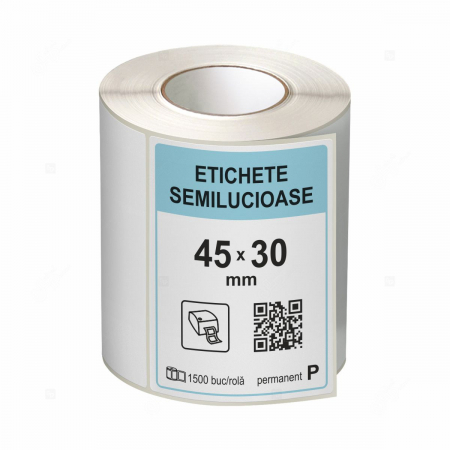
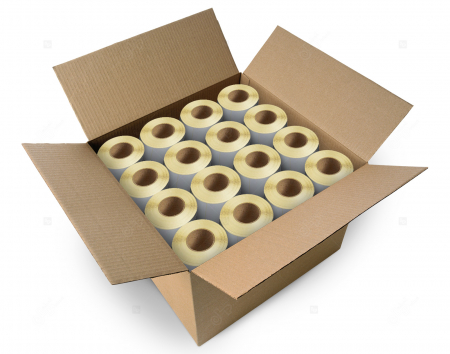
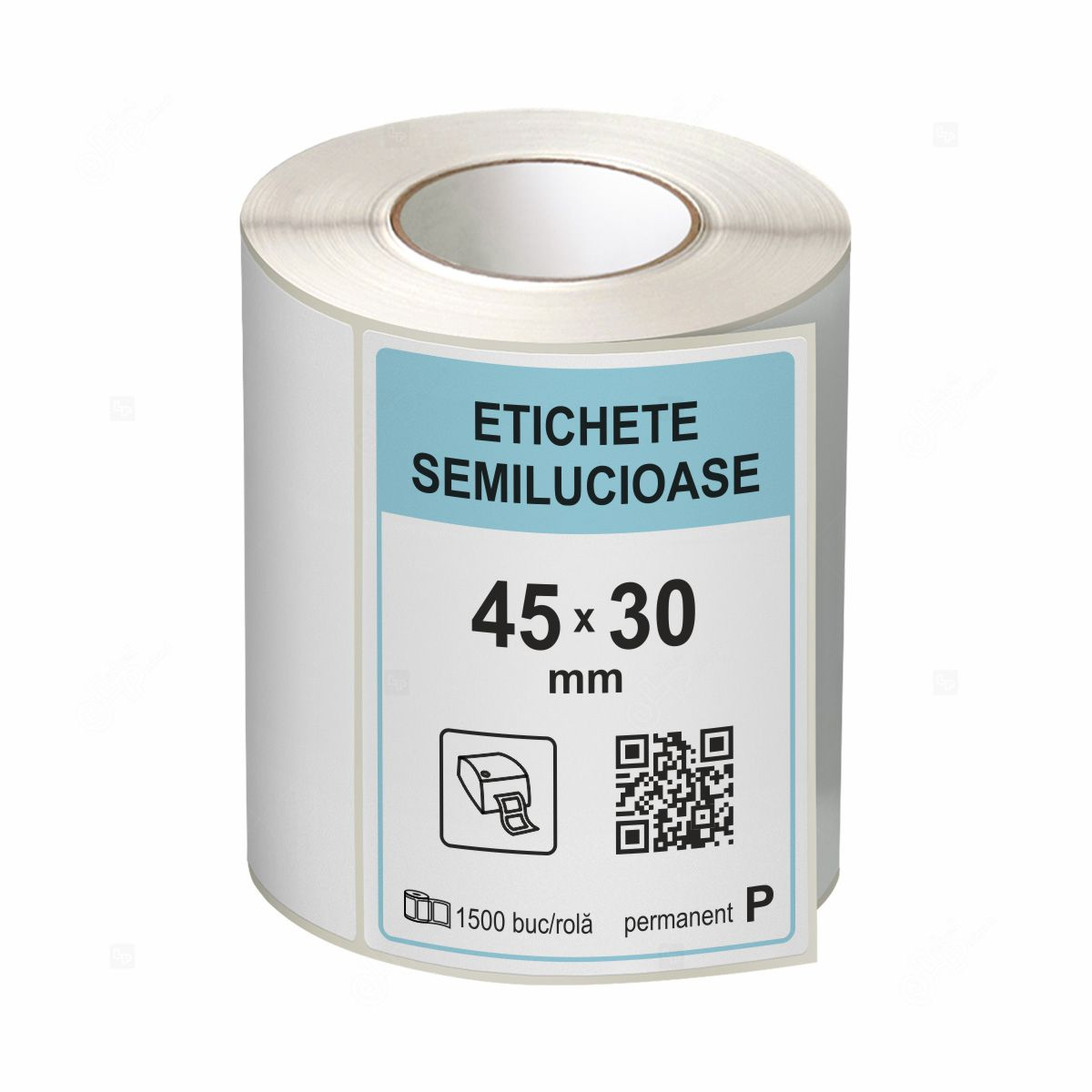
 Blockout labels on a roll, opaque semi-gloss paper, 45x30 mm, permanent adhesive, 1500 labels
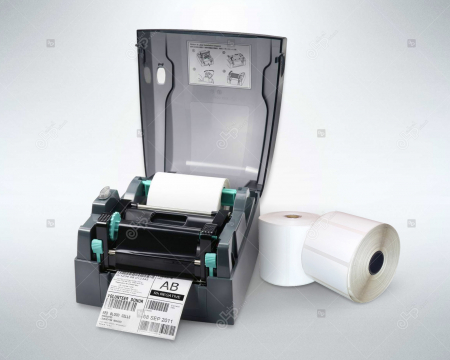
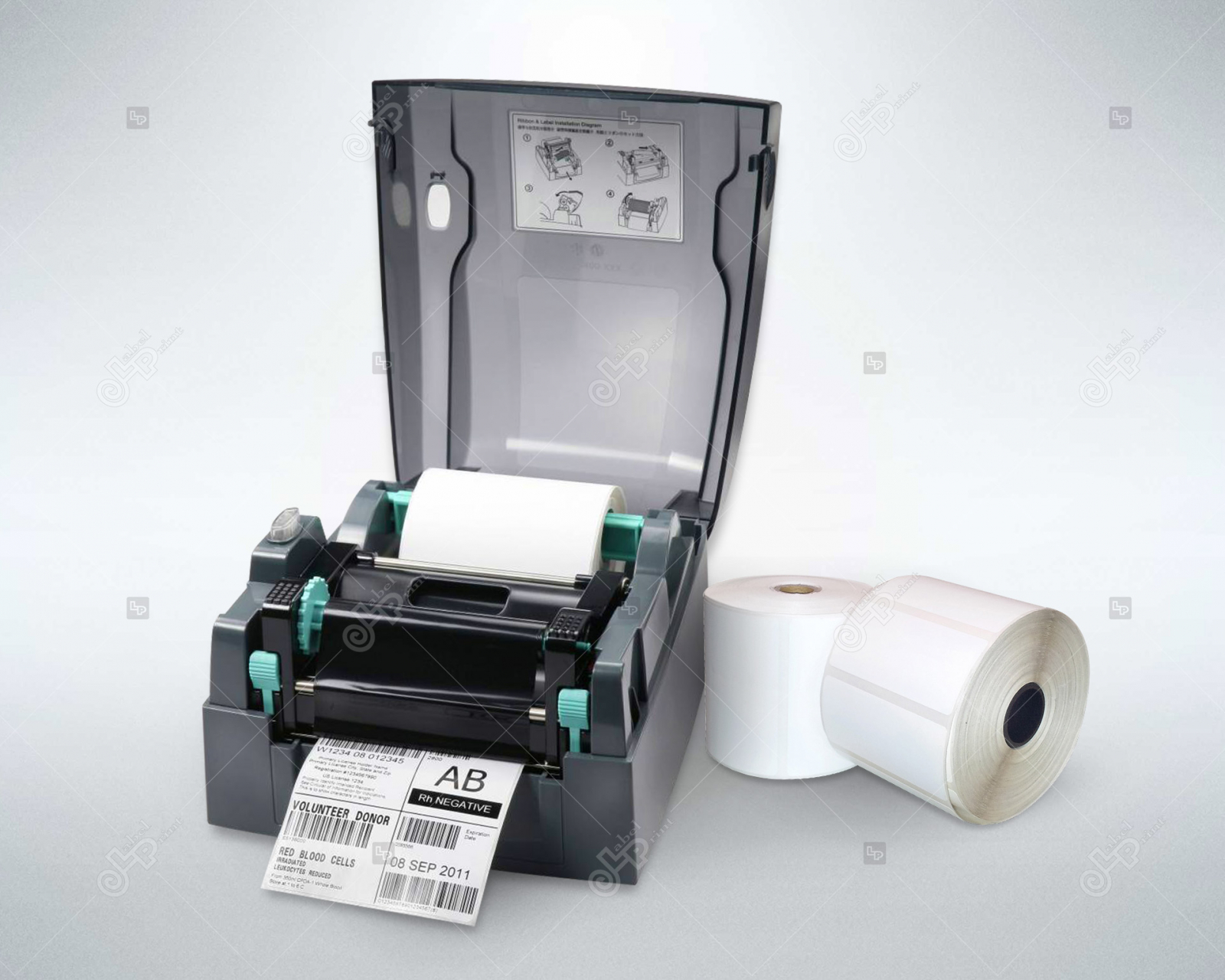
Self-adhesive labels on a roll made from semi-gloss paper, printed using thermal printers with a ribbon. They are compatible with most thermal label printers.
Beneficii:
Found a better price? write to us and we will sort it out
Free delivery: terms
Delivery date: 72 ore
Product Code:
ER22R45X30CA
Do you need help?
0720 770 659
Others also bought
- Description
- Reviews (0)
Relabelling is easier when the new label hides what is underneath. The opaque layer stops old prices, barcodes or text from showing through, so the new information reads clearly. These blockout labels combine semi-gloss paper with a permanent adhesive and print by thermal transfer with a ribbon.
Specifications
| Label type | Self-adhesive paper |
| Intended for | Ribbon printing |
| Shape | Rectangular with rounded corners |
| Colour | White |
| Finish | Semi-gloss |
| Adhesive type | Permanent |
| Outer diameter | 100 mm |
| Core diameter | 38 mm |
| Label layout | 1 across |
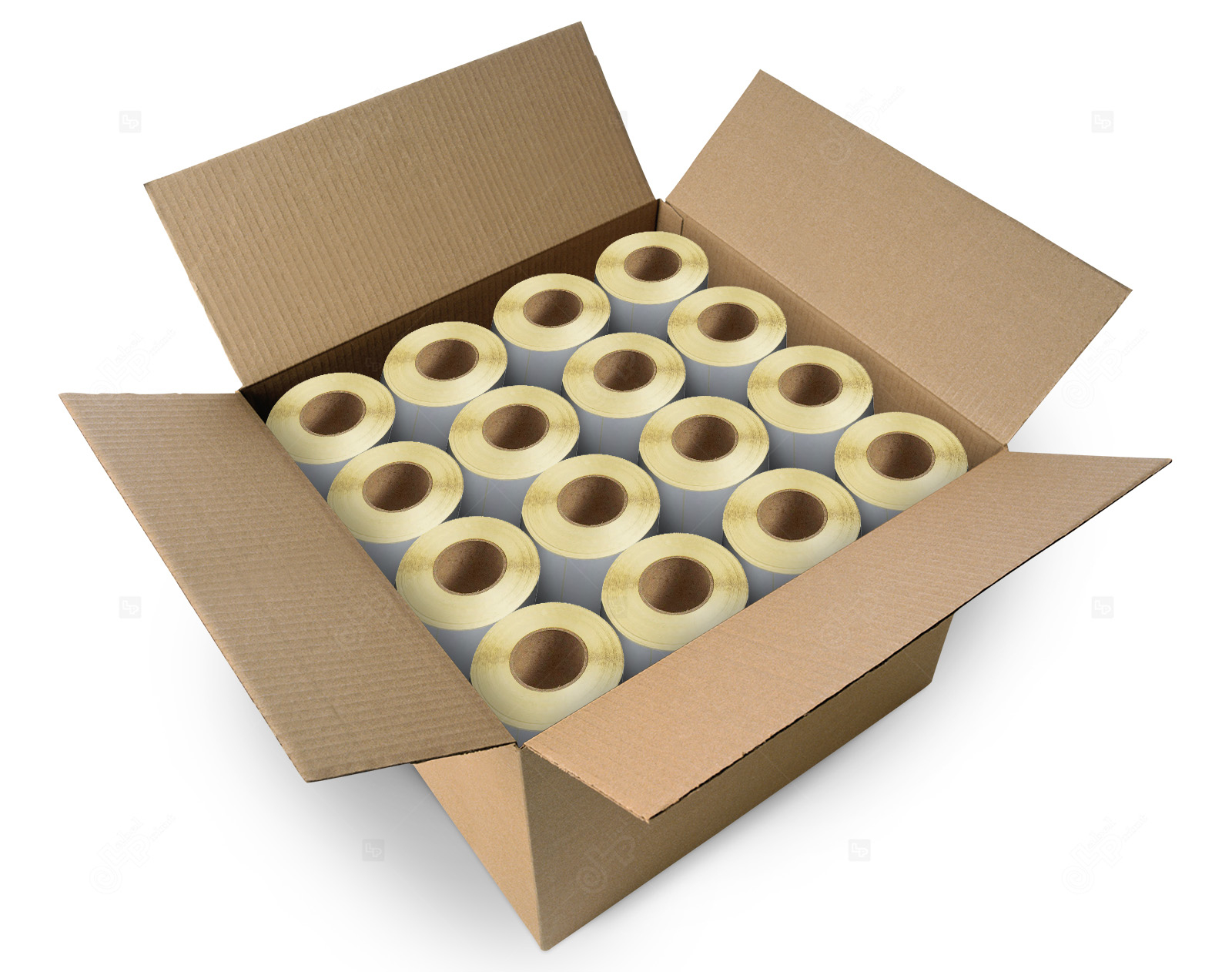
| Labels/roll | 1500 labels/roll |
The main advantage of the opaque material is its masking capability. It reduces the visibility of text, codes, prices or other graphic elements beneath the label. This feature is useful when products need to be relabelled without fully removing the previous marking. A new label can cover information that is no longer valid. Accordingly, self-adhesive labels opaque can be used to update prices, codes or other commercial information. They are also suitable for correcting previously applied markings.
Semi-gloss labels for a professional appearance
The semi-gloss finish strikes a balance between a matt surface and a high-gloss one. This gives the label an attractive appearance, suitable for products intended for sale. The surface can be printed with text, barcodes, prices, internal codes or other identification data. The finish also contributes to a tidy presentation of the printed information. These semi-gloss labels are made from paper. For this reason, they must be protected from water, oil and conditions that may damage the face stock.
Self-adhesive labels with strong adhesive
The use of a strong adhesive helps keep the label in place after application. This feature is particularly important when the new marking must stay positioned over the covered information. Self-adhesive labels of this type can be applied to compatible surfaces such as cardboard, plastic or metal. Actual adhesion, however, depends on the material, surface texture and application conditions. For special surfaces, testing before using a large volume of labels helps to verify compatibility.
Relabelling products without removing the previous marking
Changing a price or code does not always have to involve removing the old label. The masking property allows existing information to be covered and new data to be printed on the label applied on top. This approach can simplify relabelling operations in retail, warehouses or other commercial activities. Staff can update information without additional steps to remove the previous marking. Opacity also has a visual advantage. The information underneath interferes less with the text or code printed on the new label.
Thermal transfer printing with a ribbon
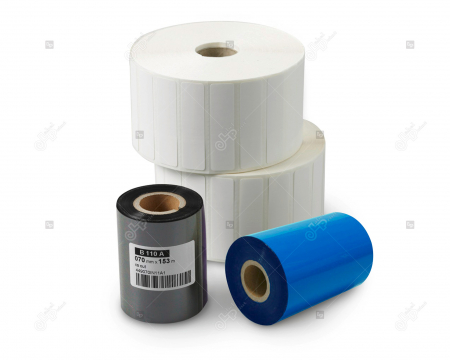
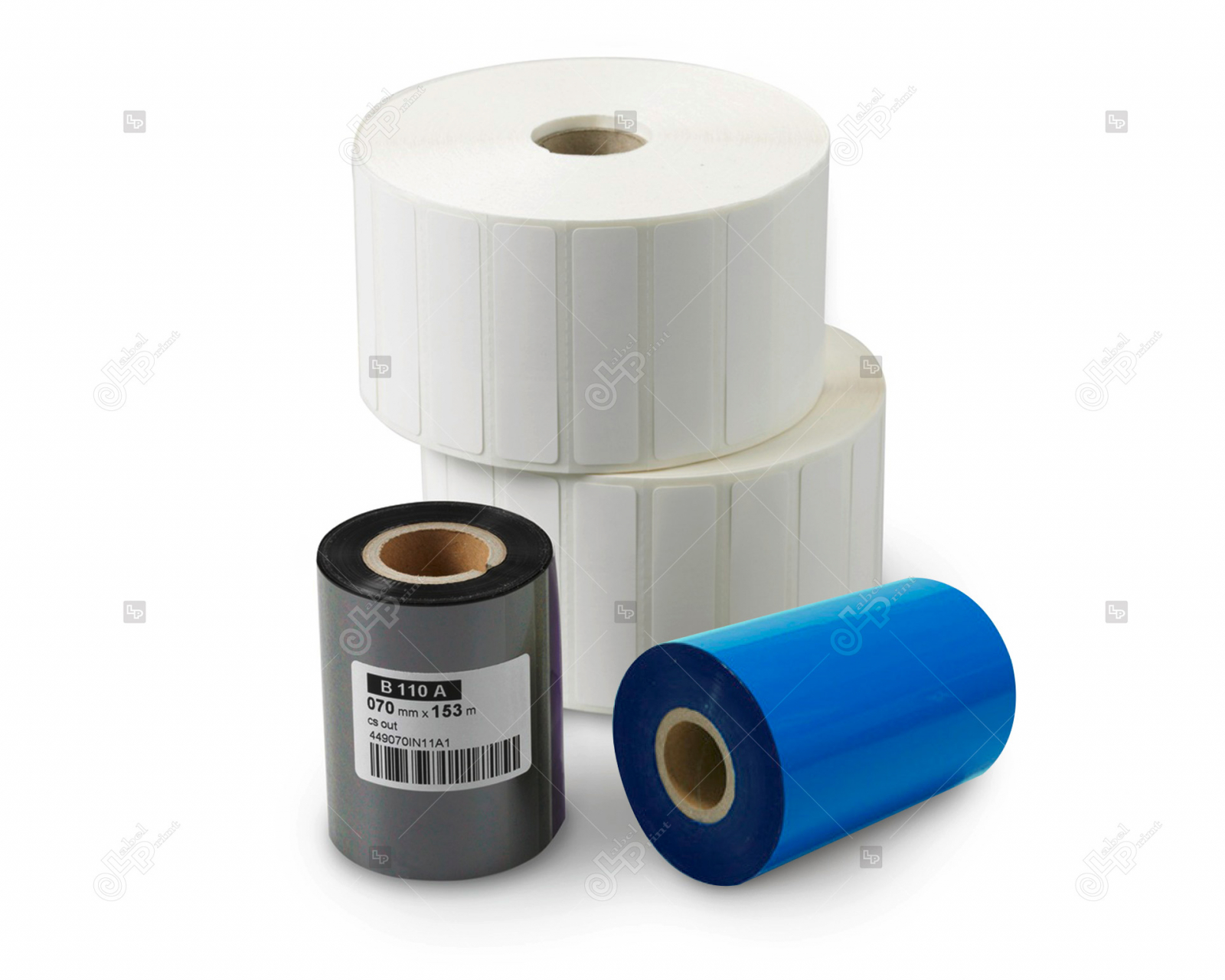
Semi-gloss labels are designed for thermal transfer printing and require a ribbon. Compatible ribbons can be used for semi-gloss paper, selected according to the printing requirements. Thermal transfer can be used to print barcodes, text, prices and other information required for product identification. The printer, material and ribbon must be compatible to achieve the desired result. The roll format allows the consumable to be integrated into existing labelling processes. To make the right choice, check the size, roll configuration and compatibility with the printer used. By combining the opaque property with the semi-gloss finish and permanent adhesion, the label is very well suited to relabelling operations. It is a practical choice when existing information needs to be covered rather than left to compete visually with the new marking.
Key advantages and features
-
Maximum opacity on the reverse: Completely blocks incorrect text, graphics or barcodes underneath.
-
Strong adhesive: Provides secure adhesion to cardboard, plastic, glass and metal surfaces.
-
Flawless semi-gloss finish: Ensures improved scanning legibility and a professional visual appearance.
-
Thermal transfer compatibility: Clear, durable printing using wax or wax-resin ribbons.
-
Proven cost efficiency: Eliminates the need to discard misprinted or outdated packaging.
-
Flexible roll format: Available on small or large rolls, easy to load into industrial or desktop printers.
Choosing opaque labels simplifies relabelling processes and helps maintain a clear product presentation. Information that is no longer valid can be covered, while the new data remains easy to identify and read. This is especially useful for companies that frequently manage changes to prices, codes, batches or other commercial information. The combination of the semi-gloss finish and the opacity of the material supports tidy, professional labelling. At the same time, the roll format allows easy integration into existing printing and inventory workflows. In retail, warehousing, manufacturing or distribution, these self-adhesive labels provide a practical solution when existing information needs to be visually replaced with new information without compromising the appearance of the product.

If you want to express your opinion about this product you can add a review.
write a review
Frequently bought together
-

Ioan-Andrei Zamfir
Am colaborat cu LabelShop si pot spune ca experienta a fost una foarte placuta. Sunt profesionisti, prompti in preluarea comenzilor si onorarea lor. Produsele sunt calitative. Sunt pe lista mea de furnizori la care revin constant. Felicitari si multumesc!
-
Emanuel Nedelea
Best in town, atat etichetele cat si serviciile sunt de foarte buna calitate, recomand cu drag. -
Marius Zinveliu
Cea mai tare companie. Ai nevoie de o eticheta? Ei stiu sa le faca pe toate....chiar si pe cele care inca nu au ajuns pe piata mainstream. Mi-as dori sa existe mai multe companii de acest gen (inovatoare si deschise) in mediul romanesc de afaceri. Thumbs up! 5Stele

